
What to Expect During a Comprehensive Collision Damage Assessment
 After experiencing a vehicle collision, one of the first steps towards repair and recovery is undergoing a comprehensive collision damage assessment. This process is critical as it determines the extent of damage your vehicle has sustained, which subsequently informs the repair strategy. Understanding what happens during this assessment can help you better prepare for the outcomes and discussions with your insurance provider and repair technicians. This article explains the key components of a thorough collision damage assessment, providing you with insight into what to expect during this crucial phase.
Initial Visual Inspection
Exterior Examination
The assessment begins with a visual inspection of the vehicle’s exterior. Technicians look for obvious signs of damage such as dents, scratches, and misalignment of the body panels. This also involves checking the integrity of the windows, lights, and mirrors. The initial findings give an immediate sense of the impact severity and the areas that will require closer examination.
Structural Analysis
Following the exterior check, the focus shifts to the vehicle’s structure. The frame or unibody structure is inspected for any signs of bending or twisting. This is a critical step, as structural integrity is paramount to the vehicle’s safety and overall performance. Advanced tools, like laser measuring systems, may be used to ensure that the frame’s dimensions align with factory specifications.
Undercarriage Review
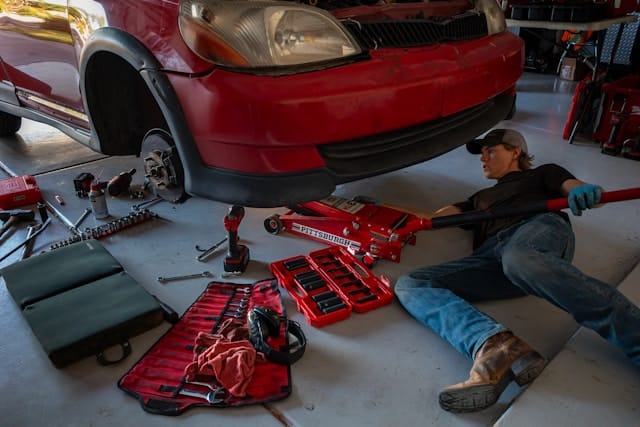
The undercarriage is also thoroughly checked for damage to components such as the suspension, exhaust system, and drivetrain. Damage here can often be severe but overlooked without a comprehensive evaluation.
Detailed Functional Testing
Mechanical Systems
After the visual and structural inspections, the vehicle’s mechanical systems are tested. This includes checking the engine, transmission, brakes, and cooling system to ensure they are operating correctly. Any abnormalities in performance are noted, and further diagnostics may be run to pinpoint specific issues.
Electrical Systems
The electrical systems, including the battery, wiring, and electronic control units, are evaluated. The assessment ensures that safety features like airbags and electronic stability control are functional, which is crucial for the vehicle’s safety certification post-repair.
Fluid Leak Detection
Inspectors will look for any signs of fluid leaks. This involves checking for brake fluid, engine oil, transmission fluid, and coolant leaks. Leaks can indicate deeper problems that might not be immediately visible.
Documentation and Reporting
Detailed Report Compilation
All findings from the inspection are compiled into a detailed report. This document is crucial for insurance claims and will guide the repair process. It outlines the extent of the damage, anticipated repairs, and estimated costs.
Consultation
Once the assessment is complete, a consultation typically occurs between the vehicle owner, the insurance adjuster, and the repair technician. During this meeting, the report is discussed, questions are answered, and the next steps are outlined.
Insurance Liaison
Many repair shops will directly liaise with your insurance company to streamline the claims process. They can help negotiate the scope of repairs covered and ensure that all necessary work is approved.
Conclusion
A comprehensive collision damage assessment is a foundational step in your vehicle’s repair journey. By meticulously evaluating every aspect of the damage, repair technicians can develop a precise and effective repair plan. Understanding each stage of this assessment not only helps in managing expectations but also in ensuring that your vehicle returns to a roadworthy condition, maintaining safety and functionality.
