
What Are Wet Weather Stopping Distances?
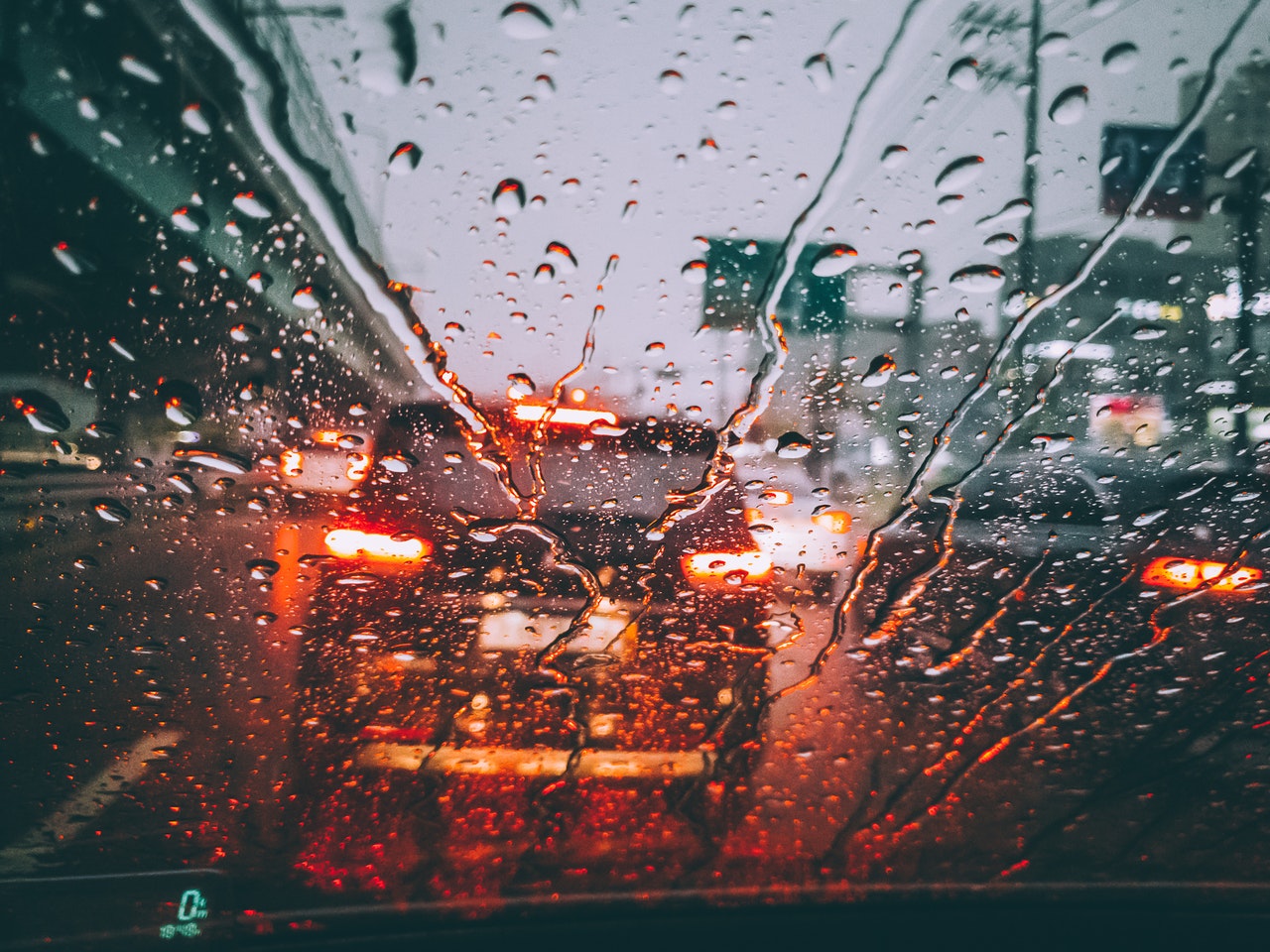 Knowing your car’s stopping distance is crucial for road safety, more so when it’s raining. Stopping distances are influenced by temperature, tire composition, weather, and more. Other aspects, including braking distance and thinking distance, are also critical considerations when driving under inclement weather.
Below, we discuss wet weather stopping distance and other information you need to know:
What is a car’s stopping distance?
Stopping distance is composed of two aspects: thinking distance and braking distance.
Thinking distance refers to how fast a driver can hit the brakes once there’s a need to stop the vehicle. For example, if the driver is tired or distracted, he will have a longer thinking distance compared to focused ones.
During rainy conditions, thinking distance is highly affected by poor visibility. So even if you’re in good shape to drive, your thinking distance will still be compromised.
In ideal conditions, a driver’s thinking distance would be around 25 meters at a speed of 70 mph.
On the other hand, the braking distance is the distance your car takes to perform a full stop. This happens right after thinking distance.
Generally, a car’s braking distance is calculated by multiplying its speed by 10. So if you’re driving at 100 km/h, your braking distance is roughly 100 meters. To get the stopping distance, you’ll add this number to your thinking distance.
However, these calculations are made under ideal road conditions. During wet weather, braking and thinking distances double up. And if it’s snowing, such distance will become tenfold. On an icy road, it could take up to the distance of seven football fields to stop a vehicle at 70 mph.
Tire condition affects stopping distance.
Aside from thinking and braking distance, the condition of your tires will also affect the vehicle’s ability to stop.
Tires with shallow tread depth, poor pressure, and sidewall damages will take longer to stop than newer ones. So if you’re planning to drive in wet weather, it’s best to have your tires inspected or possibly replaced.
Moreover, the tire type your car has will also impact stopping distance. Cars with winter tires will have a much shorter stopping distance compared to those with summer wheels.
If you want the best of both worlds, you can get all-season tires. However, since these tires aren’t specifically designed for wet weather, they will not provide the same traction as winter types. Still, it delivers a decent stopping distance if maintained well.
Reduce your stopping distance!
While wet weather will directly increase your stopping distance, there are ways to combat this problem.
During wet weather, your car tires should have a minimum tread depth of 4 mm. This tread depth will only take a car around 35 meters for a full stop during wet weather. This is much better than 1.6 mm, with a stopping distance of 45 meters under the same conditions.
Above all, you should invest in good quality tires that match the season. You should also keep an eye on tire pressure during the rainy season.
Lastly, you should never drive in wet weather if you’re exhausted, distracted, or under the influence of alcohol.
