
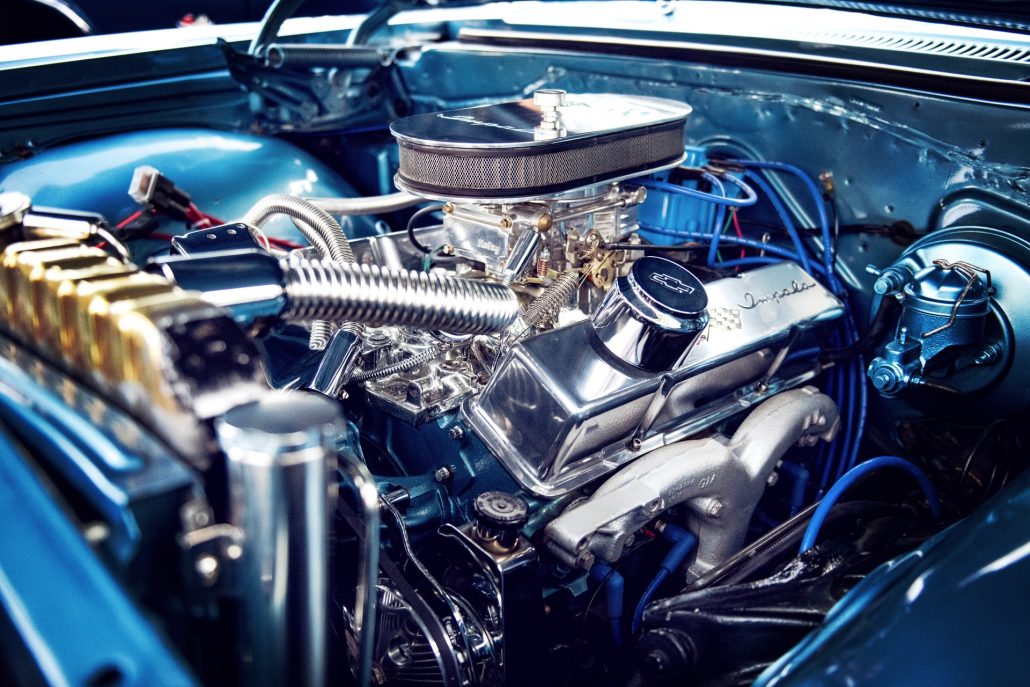
Variable Valve Timing: How Does it Work?
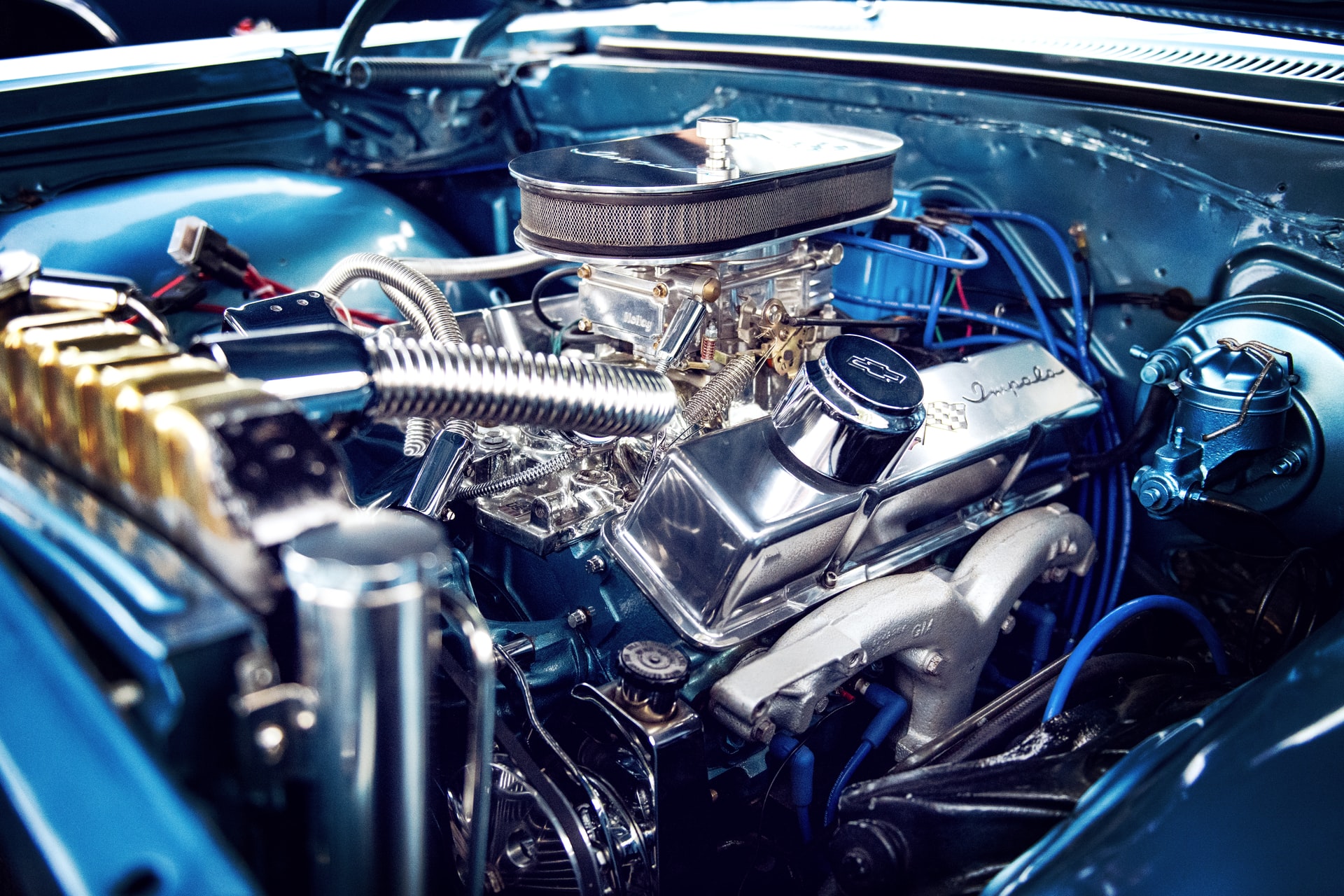 Your car’s engine is a finely tuned machine. In order to get the best performance possible, the engine needs to be able to adjust ignition timing according to load and acceleration. This used to be done via a vacuum control, but now the engine’s computer manages timing. One way that the engine can adjust ignition timing is via variable valve timing. In this article, we’ll explain what variable valve timing is, how it works and why it’s important.
What is variable valve timing?
Variable valve timing is a technology that allows the engine to change the timing of the intake and exhaust valves. This can be done in response to various factors, such as engine speed or load. By adjusting the timing, variable valve timing can improve performance and fuel economy.
There are two main types of variable valve timing: cam phasing and valve lift. Cam phasing adjusts the timing of the intake and exhaust valves relative to the crankshaft position. Valve lift controls how much the valves open.
Most modern engines use some form of variable valve timing. It’s a key technology in achieving high fuel economy and low emissions. If you’re shopping for a new car, be sure to look for one with variable valve timing. It can make a big difference in how the engine performs.
There are two main types of variable valve timing: cam phasing and valve lift. Cam phasing adjusts the timing of the intake and exhaust valves relative to the crankshaft position. Valve lift controls how much the valves open.
What are the benefits of variable valve timing?
Variable valve timing can improve performance and fuel economy. It can also reduce emissions.
How does variable valve timing improve performance?
Variable valve timing can improve performance by adjusting the timing of the intake and exhaust valves. It can also improve fuel economy by reducing emissions.
What factors does the computer monitor to adjust the timing of the valves?
The computer monitors various factors, such as engine speed or load, to adjust the timing of the valves. This allows the engine to perform at its best under a variety of conditions.
Is variable valve timing available on all engines?
No, variable valve timing is not available on all engines. It’s a key technology in achieving high fuel economy and low emissions, so it’s more common on newer cars. If you’re shopping for a new car, be sure to look for one with variable valve timing. It can make a big difference in how the engine performs.
Conclusion
Variable valve timing is a technology that allows the engine to change the timing of the intake and exhaust valves. It can improve performance and fuel economy, and reduce emissions. Most modern engines use some form of variable valve timing. If you’re shopping for a new car, be sure to look for one with variable valve timing. It can make a big difference in how the engine performs.


