
Understanding the Different Types of Vehicle Frames and Their Repair Needs
 Vehicle frames are the backbone of any automobile, designed to support the vehicle’s body, secure the engine and other internal components, and ensure overall structural integrity. Different types of vehicle frames are suited to various vehicle designs and purposes, affecting everything from vehicle handling and performance to repair processes after an accident. Understanding the types of frames and their specific repair needs is crucial for any vehicle owner, particularly in the context of collision repair. This article will explore the primary types of vehicle frames and outline their unique maintenance and repair requirements.
Body-On-Frame Construction
Characteristics
The body-on-frame design, one of the oldest types of vehicle construction, is commonly used in trucks, buses, and larger SUVs. This type of frame construction involves mounting the vehicle’s body onto a separate, rigid frame that carries the major mechanical components, including the engine and the drivetrain.
Advantages and Repair Considerations
Vehicles with a body-on-frame structure are known for their ruggedness and durability, which is why they are preferred for off-road and heavy-duty applications. Repairing these frames can be less complex because the body and frame are separate. However, serious collisions may cause the frame to bend or twist, requiring specialized equipment to straighten and align it back to its original specifications. Frame straightening is critical to ensure the vehicle drives straight and maintains proper alignment of wheels and other systems.
Unibody Construction
Characteristics
Unibody frames, which are now more common in consumer cars and smaller SUVs, integrate the body and frame into a single cohesive structure. This construction method uses the body of the vehicle itself to support weight and handle stresses.
Advantages and Repair Considerations
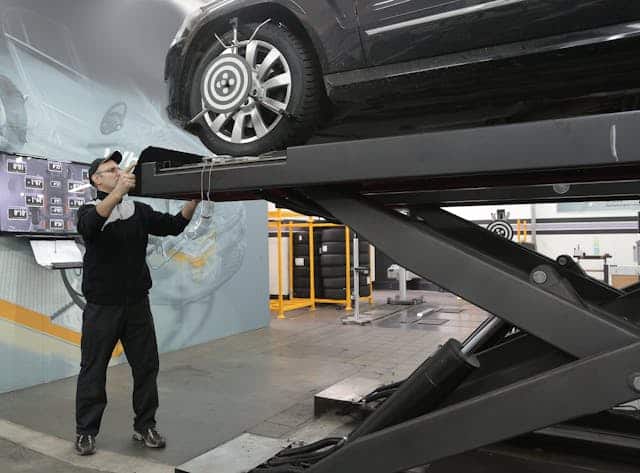
Unibody vehicles are typically lighter and have better fuel efficiency than body-on-frame counterparts. They also offer enhanced passenger safety in a collision due to their ability to evenly distribute crash energy. However, repairs can be more complex and costly because damage to the body is damage to the frame itself. Repairing a unibody frame often involves the use of sophisticated hydraulic machinery and laser-guided measurement systems to ensure that the body is perfectly realigned. Accurate restoration of a unibody structure is crucial to restore the vehicle’s safety and drivability.
Subframe Construction
Characteristics
A subframe is a modular assembly of the crucial structural and mechanical components, such as the engine and transmission, attached to a unibody chassis. It is used to isolate vibrations between the drivetrain and the body of the car, enhancing comfort and noise control.
Advantages and Repair Considerations
Subframes allow for easier repairs and replacements of the engine or transmission systems because they can be removed and serviced independently of the car’s body. However, collision impacts affecting the subframe can have complicated repercussions on the unibody’s alignment and integrity. Repairing a damaged subframe typically requires precision and expertise, as improper alignment can lead to uneven tire wear, poor handling, and other mechanical issues.
Conclusion
Each type of vehicle frame comes with distinct advantages and specific repair needs. Whether dealing with a rugged body-on-frame construction that needs realignment or a unibody vehicle requiring delicate restoration work, understanding these differences is crucial. Vehicle owners should seek specialized repair services that understand the intricacies of their vehicle’s frame structure. This ensures not only the longevity and performance of the vehicle but also the safety of its passengers.
