
The Science Behind Vehicle Crumple Zones and How They Protect You
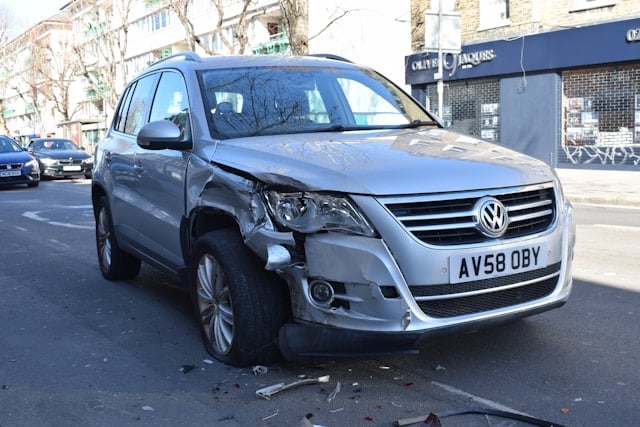 Modern vehicles are designed with numerous safety features, but one of the most important innovations is the crumple zone. These engineered areas absorb impact forces during a collision, reducing the risk of injury for passengers inside the cabin. Understanding how crumple zones work provides insight into their role in vehicle safety and the importance of proper repair techniques after an accident.
How Crumple Zones Function
Absorbing Impact Energy
When a crash occurs, kinetic energy from the moving vehicle must go somewhere. Instead of transferring the full force to occupants, crumple zones deform in a controlled manner, absorbing much of the impact energy. This design minimizes the sudden jolt passengers would otherwise experience.
Slowing Down the Collision
Without crumple zones, crashes would result in a more immediate stop, leading to severe injuries. By extending the time it takes for a vehicle to come to a halt, these areas reduce the sudden force exerted on passengers. Even milliseconds of extra time can make a significant difference in injury severity.
Directing Forces Away from the Cabin
Engineered pathways guide impact forces away from the passenger compartment. Reinforced areas redirect energy toward less critical sections of the frame, preventing major intrusions into the cabin space. This structural design enhances overall occupant safety.
Materials and Design
High-Strength Steel and Aluminum
Crumple zones use specialized materials that balance strength and flexibility. High-strength steel provides durability, while aluminum components allow controlled deformation. The combination of these materials ensures that the vehicle remains stable while effectively absorbing crash energy.
Honeycomb and Layered Structures
Many manufacturers incorporate honeycomb or layered structures within crumple zones. These designs maximize energy absorption while maintaining structural integrity. By distributing impact forces more evenly, these zones prevent localized damage from compromising passenger protection.
Strategic Placement
Front and rear sections of a vehicle typically contain crumple zones. These areas are most likely to experience direct impact in a crash. Side panels also integrate energy-absorbing structures to provide protection in side-impact collisions.
The Role of Proper Repairs
Restoring Structural Integrity
After a collision, it is essential to restore crumple zones to their original specifications. Any alterations that compromise their ability to absorb impact forces can put passengers at risk. Using certified replacement parts ensures the vehicle maintains its safety standards.
Avoiding Improper Reinforcements
Some repair techniques, such as welding additional reinforcements, can reduce the effectiveness of a crumple zone. Stiffening these sections may prevent them from collapsing correctly during a future impact. A knowledgeable repair shop will follow manufacturer guidelines to maintain safety features.
The Importance of Professional Assessments
A trained technician can identify hidden damage that might weaken a crumple zone. Structural misalignment or unnoticed cracks could impact future performance. Thorough inspections after an accident confirm that the vehicle’s safety features remain intact.
Conclusion
Crumple zones play a crucial role in vehicle safety by absorbing impact energy, slowing collisions, and directing forces away from passengers. Designed with specialized materials and strategic placement, these zones significantly reduce injury risks. Proper repairs ensure that a vehicle maintains its ability to protect occupants in future accidents.
