
How to Handle Suspension Damage from Collisions
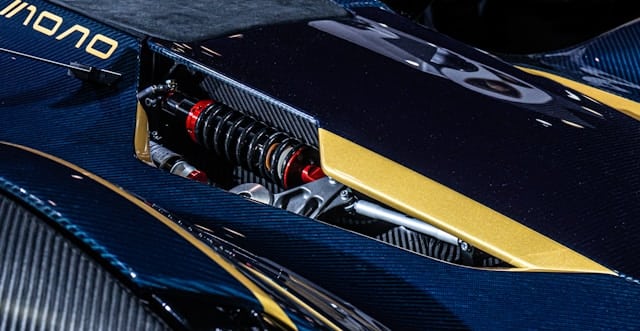 Suspension systems play a crucial role in maintaining vehicle stability, control, and passenger comfort. A collision can cause significant damage to this system, affecting the vehicle’s safety and drivability. Handling suspension damage effectively after a collision is essential to ensuring your vehicle operates safely and efficiently. This article outlines the steps to identify, assess, and repair suspension damage resulting from automotive accidents.
Identifying Suspension Damage
Initial Assessment
Post-collision, the first step is to visually inspect the suspension system for obvious signs of damage. This includes looking for broken parts, leaks from shocks or struts, and tires that are sitting at unusual angles. Any noticeable changes in the vehicle’s height or alignment are strong indicators of potential suspension issues.
Listen and Feel
When driving a vehicle that has been involved in a collision, pay close attention to any unusual noises such as clunks, squeaks, or grinding sounds, which could indicate damaged suspension components. Additionally, changes in the vehicle’s handling, such as pulling to one side or a rougher ride than usual, often suggest suspension problems.
Professional Diagnostic
It’s advisable to get a professional diagnostic to accurately assess the suspension system. This often involves a thorough inspection using specialized equipment to check the alignment, the condition of the suspension components, and their functionality.
Assessing the Damage
Component Inspection
Each component of the suspension system must be inspected for specific types of damage. This includes bent or broken parts such as control arms, springs, shock absorbers, and the suspension bushings. Even minor damage can have significant repercussions on vehicle safety.
Alignment Check
A professional wheel alignment check is crucial. This test will determine how significantly the suspension geometry has been altered. Proper alignment ensures the vehicle handles correctly and that tire wear is minimized.
Assess for Hidden Damage
Sometimes, damage to the suspension can be subtle or hidden. This includes hairline cracks or bends in the metal which may not be immediately visible. A detailed examination by a qualified technician can help uncover these issues.
Repairing Suspension Damage
Replace Damaged Parts
Replace any broken or damaged parts with high-quality replacements. This may involve anything from individual components like struts or ball joints to more significant repairs like replacing or realigning the entire suspension assembly.
Professional Realignment
After replacing any damaged parts, a professional realignment must be conducted to ensure the vehicle’s wheels and axles are correctly positioned. This will help restore the vehicle’s handling to its pre-collision state.
Road Testing
Once repairs are made, it’s important to test drive the vehicle under various conditions to ensure everything is working correctly. Pay attention to the vehicle’s handling and listen for noises that indicate further adjustments may be needed.
Maintaining Your Vehicle Post-Repair
Regular Checks
After significant repairs, periodic checks and maintenance are advisable to ensure the suspension remains in good working order and that no new issues have arisen as a result of the collision.
Keep Records
Maintain detailed records of all the repairs done on your vehicle’s suspension system. This documentation can be valuable for future maintenance, resale, or in the event of subsequent issues.
Conclusion
Dealing with suspension damage after a collision requires careful attention to both identification and repair. By following these steps, you can ensure that your vehicle remains safe and reliable on the road. Always consider professional advice and services when dealing with complex systems like the suspension to ensure that the work is done accurately and safely.
