
How to Detect and Fix Minor Scratches Before They Worsen
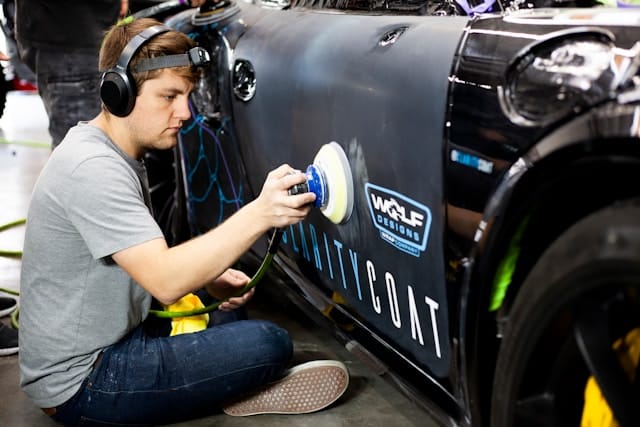 Minor scratches on your vehicle not only diminish its appearance but can also lead to more serious damage if left untreated. Detecting and repairing these scratches promptly can save you time and money, preventing the need for more extensive and costly repairs in the future. This guide will show you how to effectively identify and fix minor scratches on your car’s surface, helping to maintain its aesthetic appeal and overall value.
Identifying Minor Scratches
Visual Inspection
Regularly inspect your vehicle for any signs of scratches, which are most likely to occur on the doors, hood, and near the edges of the trunk. The best time to do this is after a wash when the car’s body is clean and dry. Good lighting is crucial; bright sunlight or a well-lit garage can help highlight scratches that are not immediately apparent.
Understanding Scratch Depths
Scratches can vary in depth and severity. A simple way to assess a scratch is by gently running your fingernail over it. If your nail doesn’t catch, the scratch is likely only in the clear coat, which is easier to repair. If the scratch is deeper and you can feel it catch, it may require more than a basic fix.
Check for Rust
Look for any signs of rust developing around scratches, especially if the scratch is deep enough to expose the metal beneath the paint. Early detection of rust can prevent significant deterioration, which can be much more difficult to repair.
Preparing for Repair
Cleaning the Area
Before attempting any repair, thoroughly clean the scratched area. Any dirt or debris left on the surface can result in further scratching during the repair process. Use a gentle automotive soap and water to cleanse the area, then dry it completely.
Gathering Necessary Supplies
For light scratches, you will need a rubbing compound, automotive polish, microfiber cloths, and possibly a fine-grade sandpaper (2000-grit or higher). For deeper scratches that have not penetrated the primer, a touch-up paint that matches your car’s color will be necessary.
Repairing Minor Scratches
Using Rubbing Compound
Apply a small amount of rubbing compound to a microfiber cloth and gently rub it over the scratch in a circular motion. This will help to remove the top layer of clear coat and lessen the appearance of the scratch. Be sure to follow the product instructions carefully to avoid damaging the paint.
Polishing
After using the rubbing compound, apply a small amount of automotive polish to another clean microfiber cloth and work it over the area to restore the shine to the clear coat. This step is crucial for blending the repaired area with the surrounding paint.
Touch-Up Paint for Deeper Scratches
If the scratch has reached the base coat but not the primer, carefully apply touch-up paint using a fine brush. Allow it to dry completely, then apply clear coat over the top. Once dry, gently polish the area to blend the touch-up paint with the original paint.
Maintaining the Repair
Regular Washing and Waxing
Regularly wash and wax your car to protect the repair and the rest of the paintwork. Waxing provides a protective layer that can help prevent new scratches and reduce the impact of ultraviolet rays on both the paint and previous repairs.
Periodic Inspections
Continue to inspect your vehicle regularly for new damage and to check the condition of past repairs. Addressing new issues promptly can keep your car looking its best.
Conclusion
Addressing minor scratches quickly and effectively can help maintain your vehicle’s aesthetic and market value, preventing the development of rust and more extensive paint damage. By following these steps, you can manage minor repairs yourself and keep your car in excellent condition, potentially saving on future repair costs.
