
Upgrading Headlights After Collision: LED vs. Halogen
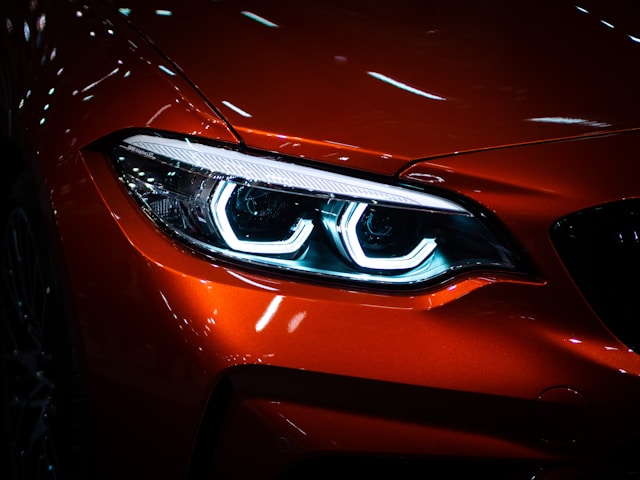 After a collision, restoring your vehicle’s lighting system is key for safety and aesthetics. Headlights not only illuminate the road ahead but also ensure you’re visible to other drivers. When it’s time to replace damaged headlights, vehicle owners face a crucial choice between traditional halogen bulbs and modern LED technology.
At Chaney’s Collision Centers, we want to help you make an informed decision by breaking down the differences, benefits, and considerations of LED versus halogen headlights post-repair.
Understanding Halogen and LED Headlights
Halogen bulbs have been the standard for decades. They operate by heating a tungsten filament inside a glass bulb filled with halogen gas, producing light. Halogens are known for their warm, yellowish glow and are widely available at a lower upfront cost.
LEDs (Light Emitting Diodes), on the other hand, are solid-state lights that emit bright white light when an electrical current passes through semiconductor material. Without fragile filaments or gas, LEDs are more robust, energy-efficient, and increasingly common in new vehicles.
Brightness and Visibility
One of the biggest advantages of LEDs is their superior brightness. While halogen headlights generally emit around 1,100 lumens, LED lights can produce 1,600 lumens or more with better-focused beams. This increase enhances visibility by illuminating farther and wider, allowing drivers more reaction time, especially on dark or poorly lit roads.
The color temperature of LEDs typically ranges around 5,000 to 6,500 Kelvin, equating to a crisp, cool white light that improves contrast and reduces eye strain. Halogens emit warmer tones around 3,200 to 3,500 Kelvin, offering yellowish light that can sometimes appear less clear.
Lifespan and Efficiency
LEDs significantly outlast halogens, with average lifespans exceeding 25,000 hours—roughly 30 times longer than halogen bulbs that last about 800 to 1,000 hours. This durability translates into fewer replacements and lower maintenance costs over the vehicle’s life.
LEDs also consume about half the power of halogen bulbs, drawing around 30 watts compared to the 55 watts typical of halogen lights. This lower energy demand can contribute to slight fuel savings and less stress on your electrical system.
Cost and Installation Considerations
Halogen bulbs are generally less expensive upfront and easier to replace, often fitting directly into existing headlight housings without modifications. However, they tend to burn out quicker, requiring more frequent replacements.
LED upgrades may carry higher initial costs, not only for the bulbs but sometimes for compatible housings, drivers, or adapters due to differing electrical requirements. Professional installation is recommended to ensure proper alignment and avoid glare issues that can impair other drivers. Additionally, some regions have regulations about converting halogen systems to LEDs, so check local laws before upgrading.
Durability and Reliability Post-Collision
After collision repairs, installing LED headlights can provide greater resilience as they are less susceptible to damage from vibrations and impacts compared to fragile halogen filaments. Additionally, LEDs generate less heat, reducing risk to surrounding headlamp components.
The Chaney’s Collision Centers Advantage
Our technicians specialize in restoring your vehicle’s lighting with OEM-quality parts and expert installation. Whether you prefer the tried-and-true reliability of halogen bulbs or the cutting-edge benefits of LED technology, we’ll guide you through options that best suit your vehicle model, budget, and driving needs.
Conclusion
Upgrading headlights after a collision is a smart move to enhance nighttime visibility and vehicle safety. LEDs offer superior brightness, energy efficiency, and longevity, but often come with higher costs and installation requirements. Halogens remain a budget-friendly, straightforward solution with warm light output.
Choosing the right headlight depends on your priorities, vehicle type, and regulatory compliance. Trust Chaney’s Collision Centers to provide expert advice and professional service, ensuring your road ahead is clearer and safer every night.
For a consultation on headlight repair or upgrade options, contact Chaney’s today and light your path confidently.
