
How to Handle Vintage Car Collision Repairs
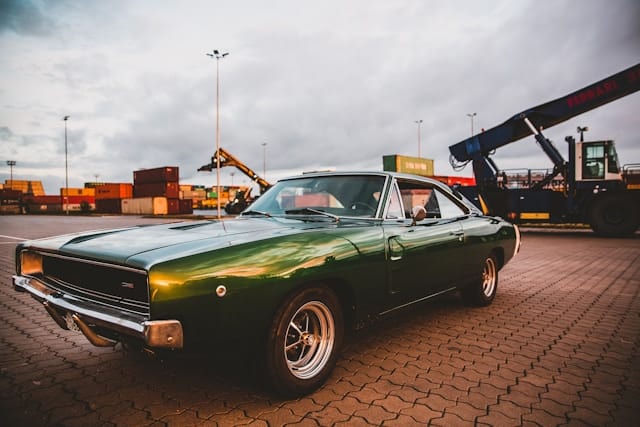 Repairing a vintage car after a collision involves much more than restoring its functionality; it’s about preserving its original charm and ensuring its historical integrity. Vintage cars are treasured not just for their aesthetic appeal but for their cultural value and connection to automotive history. Owners must approach collision repairs with care and precision to maintain the car’s value and authenticity. This article offers guidance on managing the delicate process of restoring a vintage car after an accident.
Choosing the Right Repair Shop
Specialized Expertise
Selecting a repair shop that specializes in vintage vehicles is crucial. These shops often have experts who are familiar with the unique needs of classic cars and have access to the necessary tools and techniques that are compatible with older technologies. Their experience ensures that they can match the craftsmanship and materials used in the original construction of your car.
Verify Credentials and References
Before entrusting your vehicle to a shop, verify their credentials and ask for references or case studies of similar cars they have worked on. Many reputable shops that specialize in vintage vehicles will be proud to showcase their previous projects. This can give you a sense of the quality and scope of their work.
Assess the Facility
Visit the shop in person to assess their facilities. A tour of the shop can provide insight into the level of care they put into their work. Check for cleanliness, organization, and the tools they use. A well-maintained facility is often a good indicator of the quality of work you can expect.
Sourcing Authentic Parts
Finding the Right Parts
One of the biggest challenges in repairing vintage cars is sourcing the right parts. For many classic cars, replacement parts are not readily available and may need to be sourced from specialized suppliers or fabricated from scratch. Ensure that the repair shop has reliable sources for authentic parts or can manufacture parts that match the original specifications without compromising the vehicle’s integrity.
OEM vs. Aftermarket Parts
Whenever possible, insist on original equipment manufacturer (OEM) parts. For many vintage cars, these parts may no longer be in production, in which case high-quality aftermarket or refurbished parts may be the only option. Make sure these alternatives match the original parts in material and design as closely as possible.
Approaching the Repair Process
Prioritize Structural Integrity
Start with ensuring the structural integrity of the vehicle. Frame damage can be particularly problematic in vintage cars, as modern repair techniques and materials may not always be appropriate. A skilled technician will know how to restore the frame and body without compromising the car’s original design or structural integrity.
Maintain Authenticity
Maintaining authenticity should be a guiding principle in every aspect of the repair process. This includes not only the parts and materials used but also the paint, finishes, and even the upholstery. Color matching is critical; invest in custom paint mixing to ensure that any new paint blends seamlessly with the original tones.
Document the Process
Keep detailed records of all repair work, including photographs, invoices for parts purchased, and detailed descriptions of the work done. This documentation will be invaluable for insurance purposes, future repairs, or if you decide to sell the vehicle.
Conclusion
Restoring a vintage car after a collision requires a dedicated approach that respects the vehicle’s history and authenticity. By choosing the right repair shop, ensuring the use of appropriate parts, and focusing on maintaining the car’s original character, owners can preserve the inherent value and beauty of their vintage cars. Remember, the goal of each repair should be to honor the past while seamlessly integrating modern safety and preservation techniques.
