
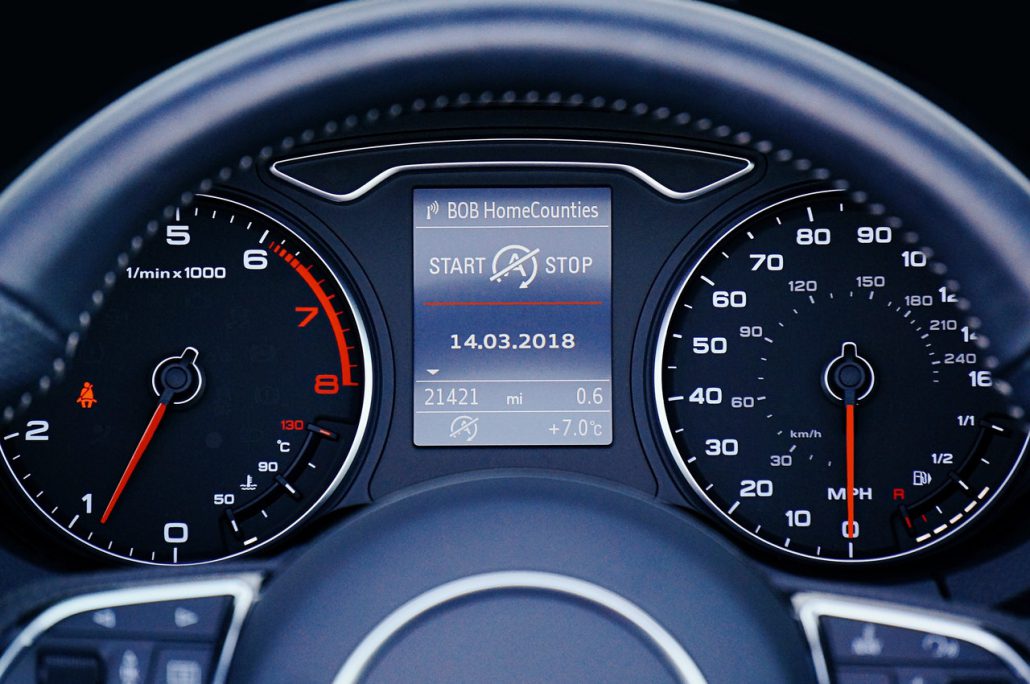
Everything You Need to Know about Start-Stop Technology
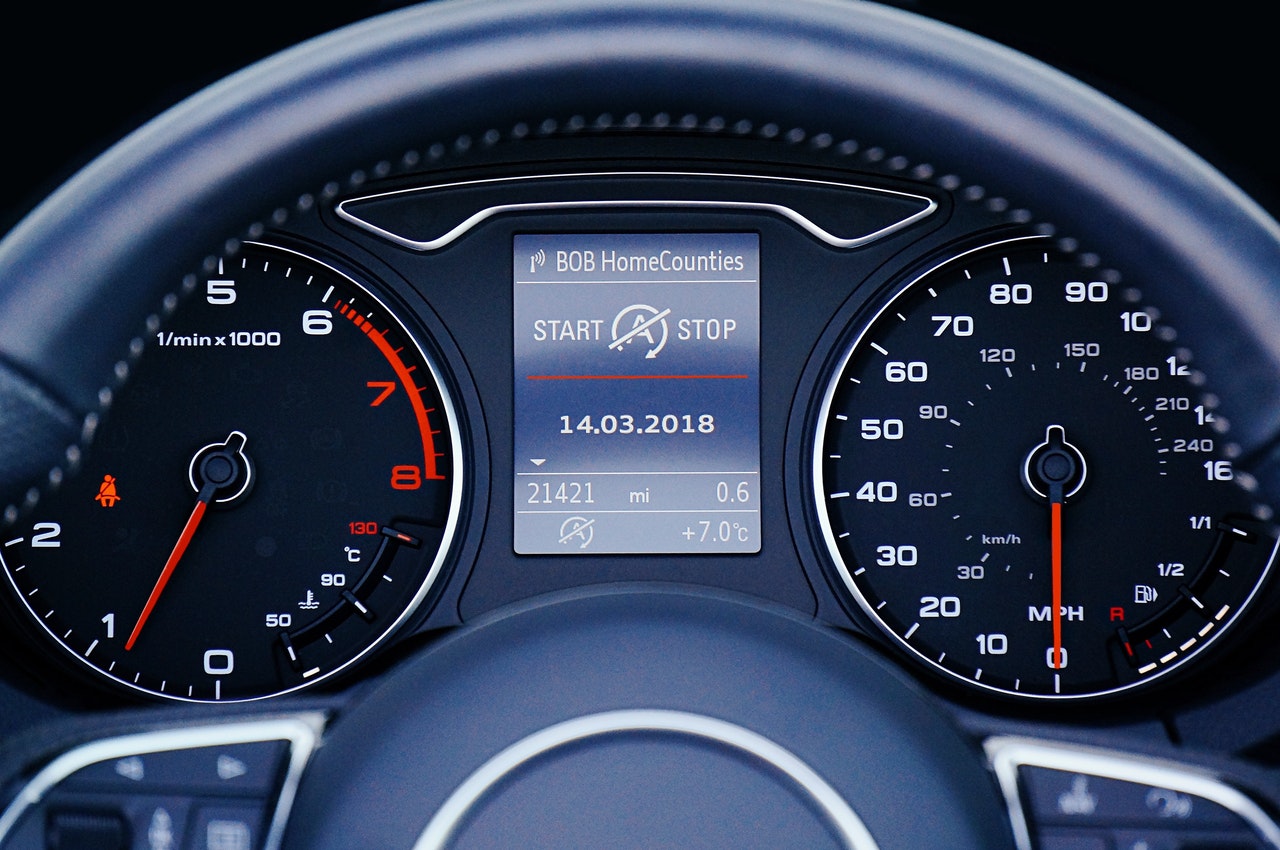 The start-stop technology is nothing new. Back in 1991, Volkswagen introduced it in their car models. Nowadays, more and more vehicles are using this technology to boost fuel economy and protect the engine.
Below, we discuss this technology, how it works, and the potential issues it comes with.
What is the start-stop technology?
During a traffic jam, a car has to go idle for long periods. However, shutting down the car and turning it on multiple times isn’t a good idea. Doing so will put a strain on your engine, consume more fuel, and cause more inconvenience.
The solution is the start-stop technology, also known as the idle-stop and go. With this technology, the engine shuts off automatically when the car goes on a stop, a traffic jam, for example. This is widely used in modern cars.
But once you hit the accelerator, the engine will spring back to life. With this, the technology can help save fuel by up to 8%.
The difference between shutting off the engine manually and start-stop technology is that the latter keeps the ancillary system running. This means that your lights, air conditioner, heater, and radio will keep running as usual.
With this, a car with start-stop technology uses a specialized battery. It’s a cyclic battery that can discharge and recharge multiple times instead of just going on and off.
Many cars with the start-stop technology also use a brake regeneration system. This means that the energy created upon hitting the brakes is stored in the battery.
Overall, this technology helps save fuel while cutting back the car’s emissions. This makes the benefits both monetary and environmental.
Take note that a vehicle with start-stop technology requires a compatible battery. Using a standard car battery will result in failure and premature replacements.
Is the start-stop technology bad for my engine?
The start-stop technology isn’t really a bad thing. However, repetitive start and stop cycles will surely wear your engine.
The start-stop technology is activated whenever the car goes to a standstill. That means the engine can reach up to 500,000 cycles throughout the car’s lifespan.
Such repeated cycles will put a strain on your engine’s bearings. To curb this downside, car manufacturers are now using self-lubricating bearings. Such design helps reduce the damage to the engine under repeated start-stop activation.
Another way to help reduce engine damage is to use low friction oils. This way, the engine will experience less wear and tear even as the start-stop technology is in use.
Nevertheless, there are times when the start-stop technology won’t engage. For example, the start-stop feature won’t engage if your engine is still cold despite being at a standstill. This is to allow the motor to warm up during the cold weather.
Conclusion
The start-stop technology is a great feature that helps save fuel. It also reduces emissions, which is a big help in highly polluted urban settings.
Still, it must be maintained regularly. This ensures that your car is functioning well and that the engine isn’t suffering from wear and tear.


