
When should you change your tires?
Tires are an essential component of any vehicle. They are critical to a vehicle’s performance, which is why they must be kept in good working order. Tires require routine maintenance to ensure that they remain in good working order. If you don’t use them regularly, they may deteriorate and lose traction, affecting your car’s braking, turning, and general performance. 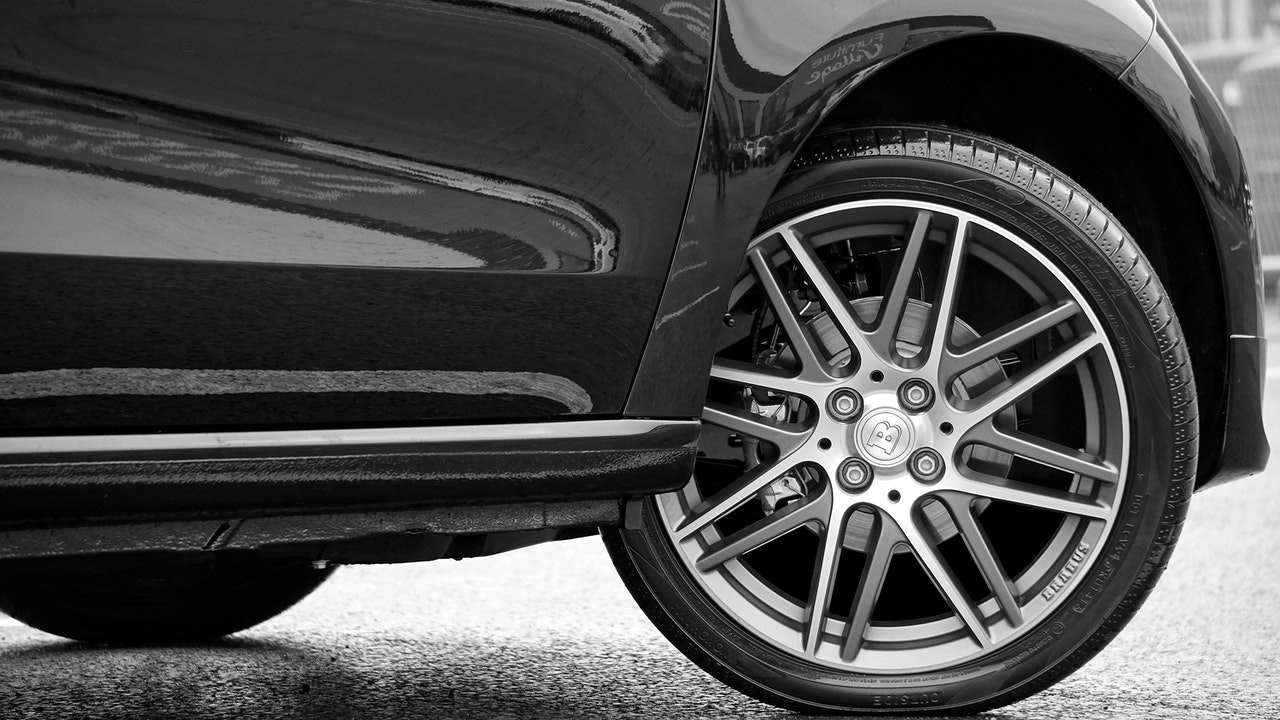
It’s critical to inspect tires regularly to ensure they’re still functional and safe. Excessive use is also hazardous to you and other road users. Allowing the rubbers to fracture and the steel belt to become exposed is not a good idea. It may cause a tire blowout, which is extremely dangerous for everyone on the road.
Here are some things to look for to determine when it’s time to replace your tires:
Examine the tread on your tires
The tread is the rubber portion of the tire that makes contact with the road. Over time, it will erode and become thin. Simply look at the wear indication found along the grooves of the tire to see if they are still roadworthy. Wear indicators come in a range of shapes, but their function is the same.
If the tread on your tire matches the wear indicator point, it’s time to get a new one. It shows that the handling properties and water dispersing capabilities have already been compromised once it reaches that point. For a more precise measurement, you can use a tire tread depth indicator tool. If the tread depth measurement is less than 0.16cm, the tire should be replaced as soon as possible.
Check the year of manufacture on your tires
Another technique to tell if it’s time to change your tire is to look at the year it was made. Under typical conditions, a tire will last 3 to 6 years. The year of manufacture can be seen on the sidewall of the tire. It is usually represented by four numbers, however, depending on the manufacturer, digits and letters may be added. Pay attention to the last four digits, as they reveal the year and the week in which it was manufactured.
Examine the tires for damage
If a damaged tire is repaired, it is extremely risky and costly. Any signs of cracks or uneven wear should be checked for. Tires will wear out eventually, but the way they wear is a sign of tire pressure and alignment. Tire tread is designed to wear equally across the tire, not just on the inner or outside. Bulges also indicate that it is time to replace it. A bulge occurs when the tire is overfilled with air or when the manufacturing process is flawed.
Look for any unusual vibrations
Vibrations can occur while driving and can be caused by a variety of factors, although they are most commonly produced by imbalanced or unequal tires. Unbalanced tires will wear down unevenly, causing the tread on one side to be lower than the other. Consider replacing it straight away if this is the case. The misaligned suspension could potentially be the source of unwanted vibrations. You don’t have to replace your tires if you detect them early enough.
Keep an eye on your tires. Have them inspected on a regular basis. It’s not just about taking care of your car and avoiding mishaps when it comes to knowing when to replace tires. Tires are a critical component of any car. If you are not sure in your ability to change and choose the best tires, it is recommended to seek professional assistance.
