
What You Should Know About Repainting Plastic Bumper Covers
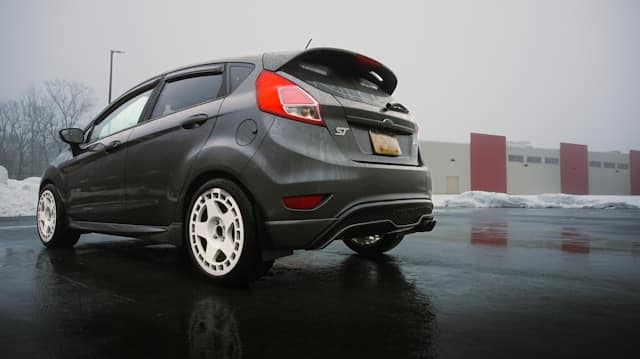 Plastic bumper covers are a common feature on modern vehicles, designed to absorb minor impacts and enhance the vehicle’s aesthetic appeal. However, due to their position on the car, they are often the first to suffer damage and wear, necessitating repairs and sometimes repainting. Repainting a plastic bumper cover involves specific techniques and considerations to ensure the paint adheres properly and the finish is durable and visually appealing. This article explores the key factors to consider when repainting plastic bumper covers, from surface preparation to the final sealant.
Understanding Plastic Bumper Covers
Material Composition
Plastic bumper covers are typically made from polypropylene or ABS plastic. These materials are chosen for their flexibility and impact resistance, which can complicate the painting process due to their non-porous and smooth surface.
Challenges with Adhesion
One of the main challenges when repainting plastic is ensuring that the paint adheres to the surface. Plastic surfaces do not naturally allow for easy paint adhesion, so specific preparatory steps must be taken to ensure the longevity of the paint job.
Preparing for Paint
Cleaning and Sanding
Before any paint can be applied, the bumper must be thoroughly cleaned to remove any oils, dirt, or existing paint that can prevent adhesion. After cleaning, sanding the surface provides a rougher texture for the paint to adhere to. It’s important to use a fine-grit sandpaper to avoid creating grooves or scratches that could be visible after painting.
Applying a Plastic Adhesion Promoter
After sanding, applying a plastic adhesion promoter is crucial. This substance acts as a middle layer between the plastic and the paint, significantly improving the adhesion of subsequent layers. It ensures that the paint will stick to the bumper and not flake or peel off over time.
Painting Process
Choosing the Right Paint
Not all paints are suitable for plastic surfaces. Special automotive paints designed for plastic are necessary to ensure that the paint will flex with the material and not crack under stress or temperature changes. These paints usually include flexible additives that help them move with the bumper’s plastic.
Priming the Surface
Applying a primer is the next step after the adhesion promoter. Primer serves several purposes: it further enhances the adhesion of the paint, provides a uniform surface for the paint, and increases the overall durability of the paint job. For plastic bumpers, a high-quality urethane or epoxy primer is recommended.
Color Coat and Clear Coat Application
After priming, the color coat is applied. This should be done in several thin layers to prevent runs and drips. Once the color coat is dry and satisfactory, a clear coat is applied over the top. The clear coat protects the paint from UV rays, minor abrasions, and provides the glossy finish that is visually appealing.
Aftercare and Maintenance
Proper Curing Time
Allowing the paint to cure fully before using the vehicle is crucial. The curing process can take up to a week, during which the paint hardens and reaches its full strength.
Regular Cleaning and Waxing
Maintaining the new paint job involves regular cleaning and occasionally waxing the bumper to protect its finish. Avoid abrasive cleaners or brushes, as these can scratch the paint and clear coat.
Conclusion
Repainting a plastic bumper cover can refresh the appearance of a vehicle and protect it from further damage. Properly executing the steps of preparation, painting, and aftercare will ensure that the new paint job is both durable and aesthetically pleasing. Always consider using high-quality materials and techniques, or consult with a professional to achieve the best results.